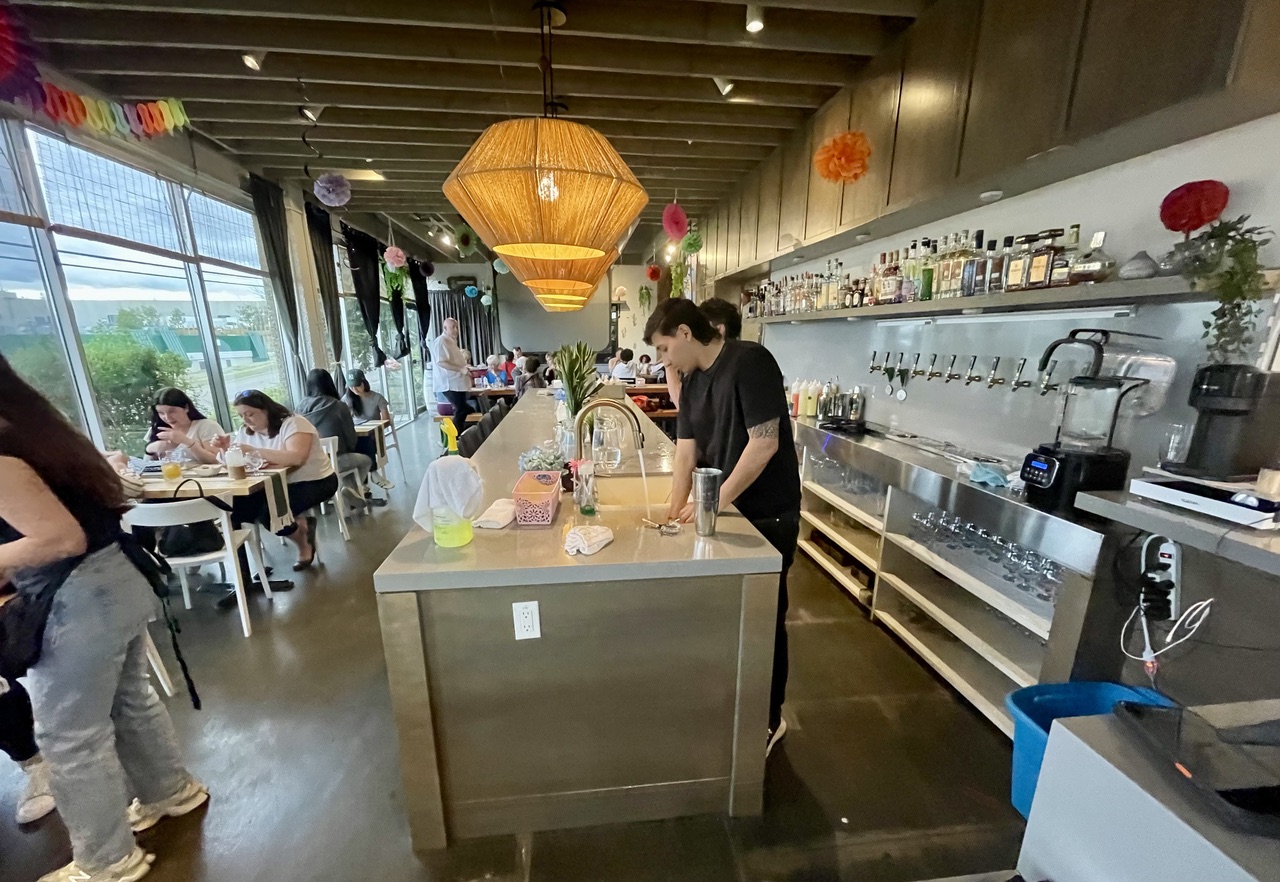
A Beltline address is no guarantee of success for anyone opening a taproom in this densely populated, hip Calgary community, witness the recent demise of Inner City Brewing.
But it should be no surprise that the replacement business, in the same historic Beltline building on 11 Avenue SW, is off to a roaring start since Edmonton-based Sea Change Brewing opened Skelly Club brewpub in July.
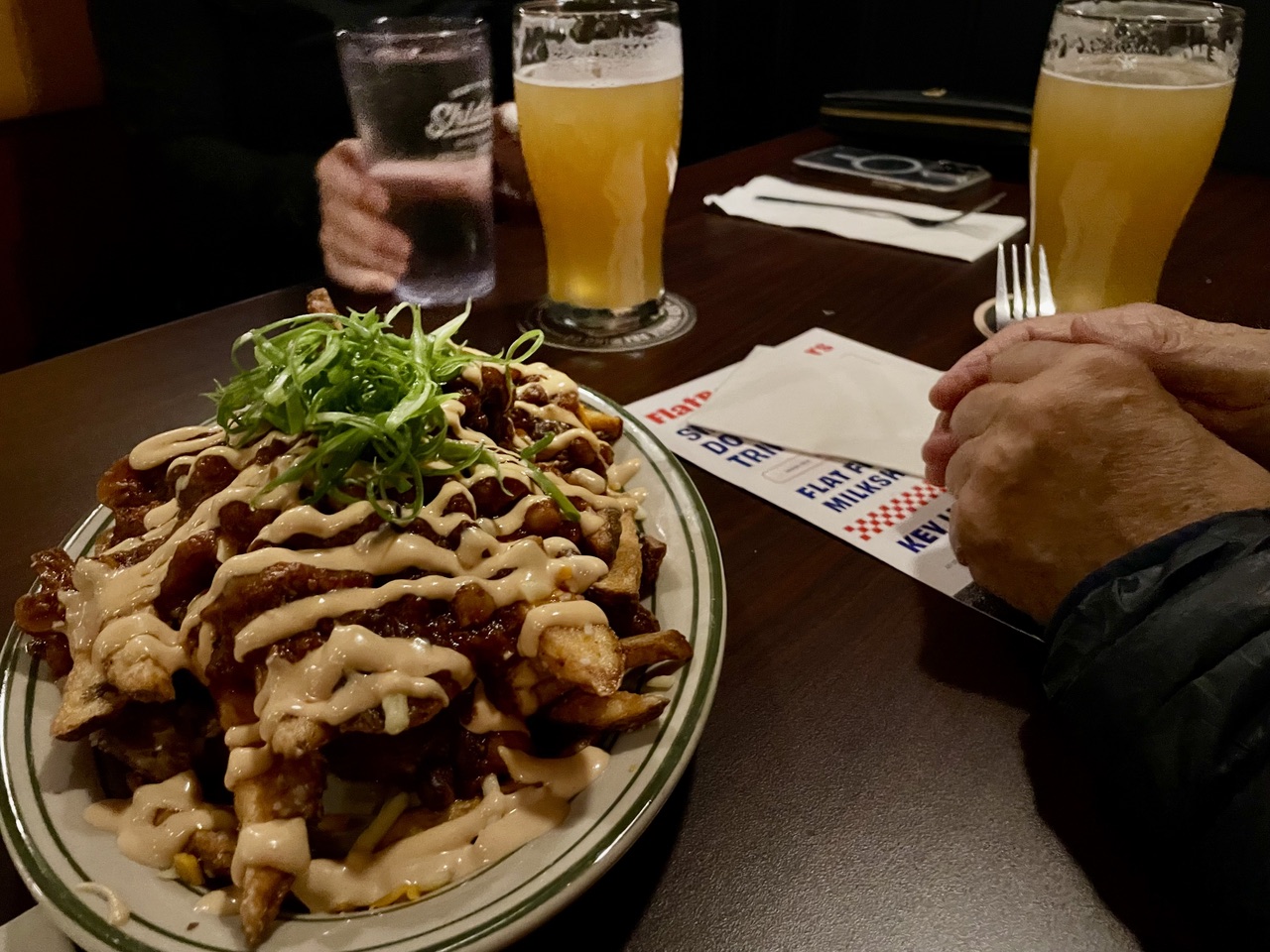
Some fine chile cheese fries
By the time we Boomers wander in at 4 pm on a Saturday, the joint is already jumping. It’s easy to spot us: decades older than everyone else, using headlamps to read the menu and asking if the music can be turned down (suppressed laughter).
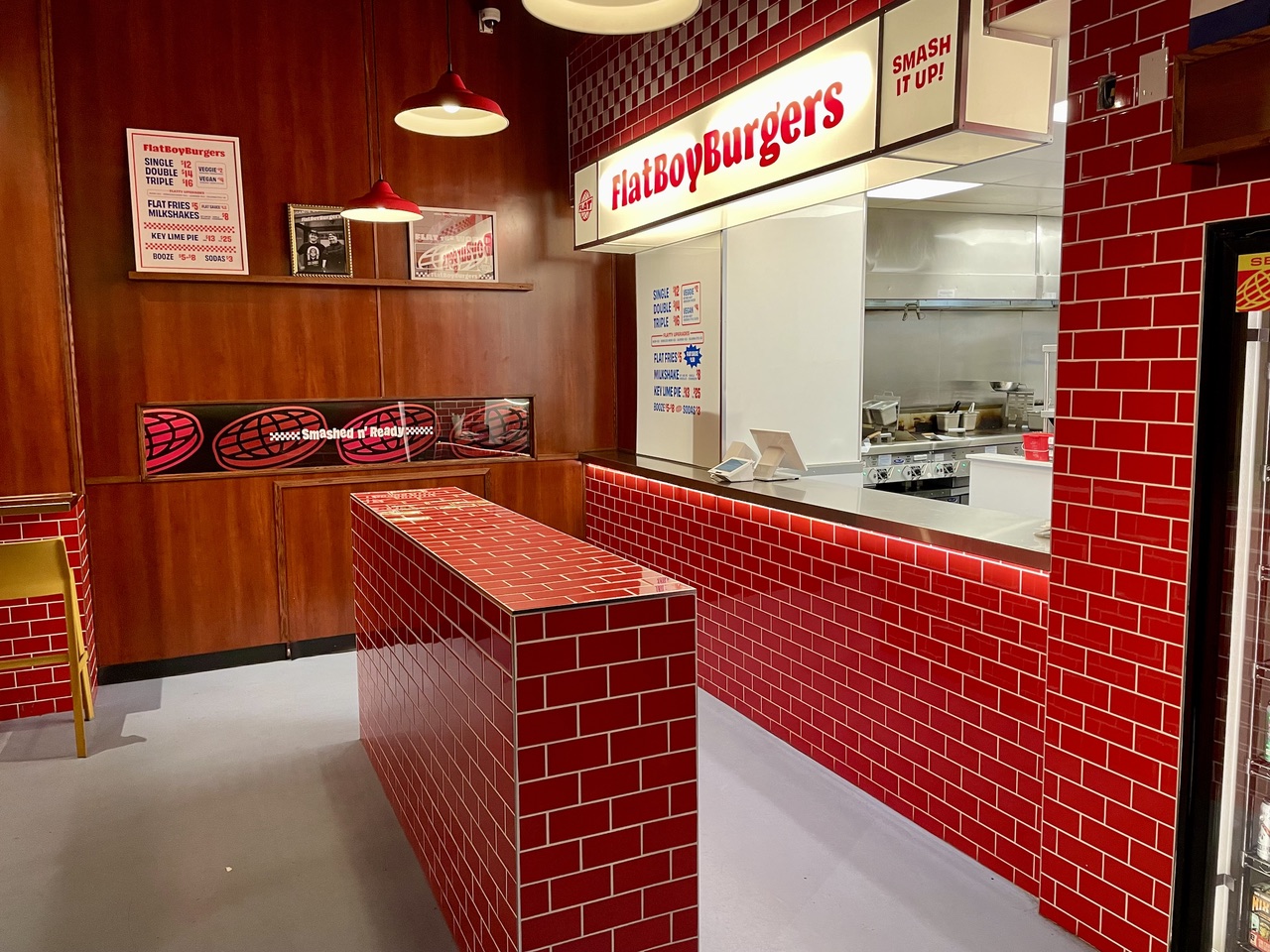
Something everyone can agree on: a wide range of fine craft beers, brewed onsite, paired with some chile cheese fries and maybe a smashed Fat Boy burger, grilled in the back.
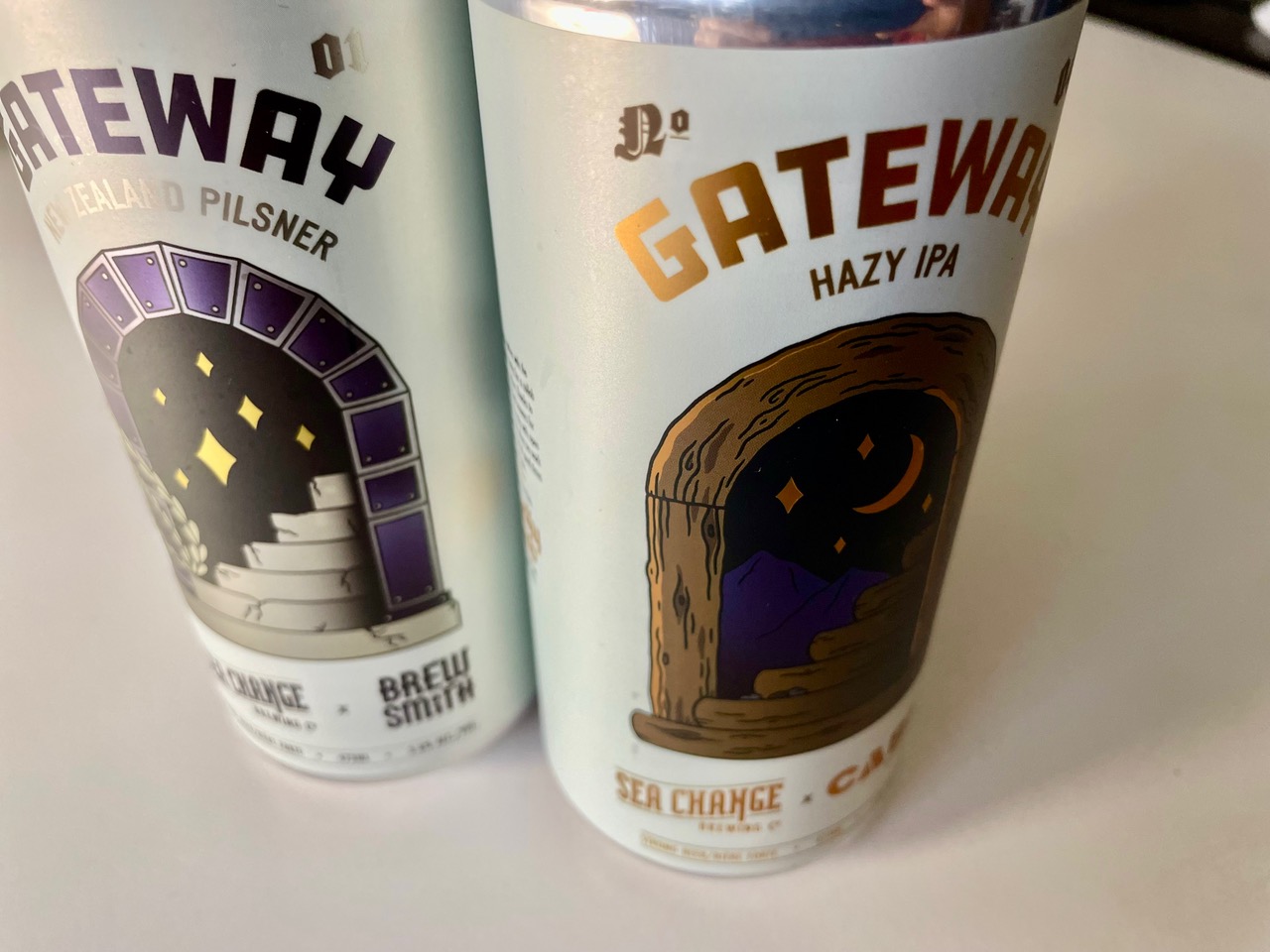
Sea Change is collaborating with a handful of Calgary brewers, such as Cabin and Cold Garden, on a craft brewing project, called Gateway. Pick up a mixed four pack of these beers on your way out.
Every fall, I watch the apple tree across the street dislodge its bountiful harvest onto the lawn, where it is usually destined to rot. The folks at Sunny Cider have a much different philosophy.
Way back in 2013, residents of the northwest Calgary community of Sunnyside (get the pun?) decided to collect all that fallen treasure and turn it into juice and dehydrated apples. Five years later, a few took the plunge and created Alberta’s first craft cidery.
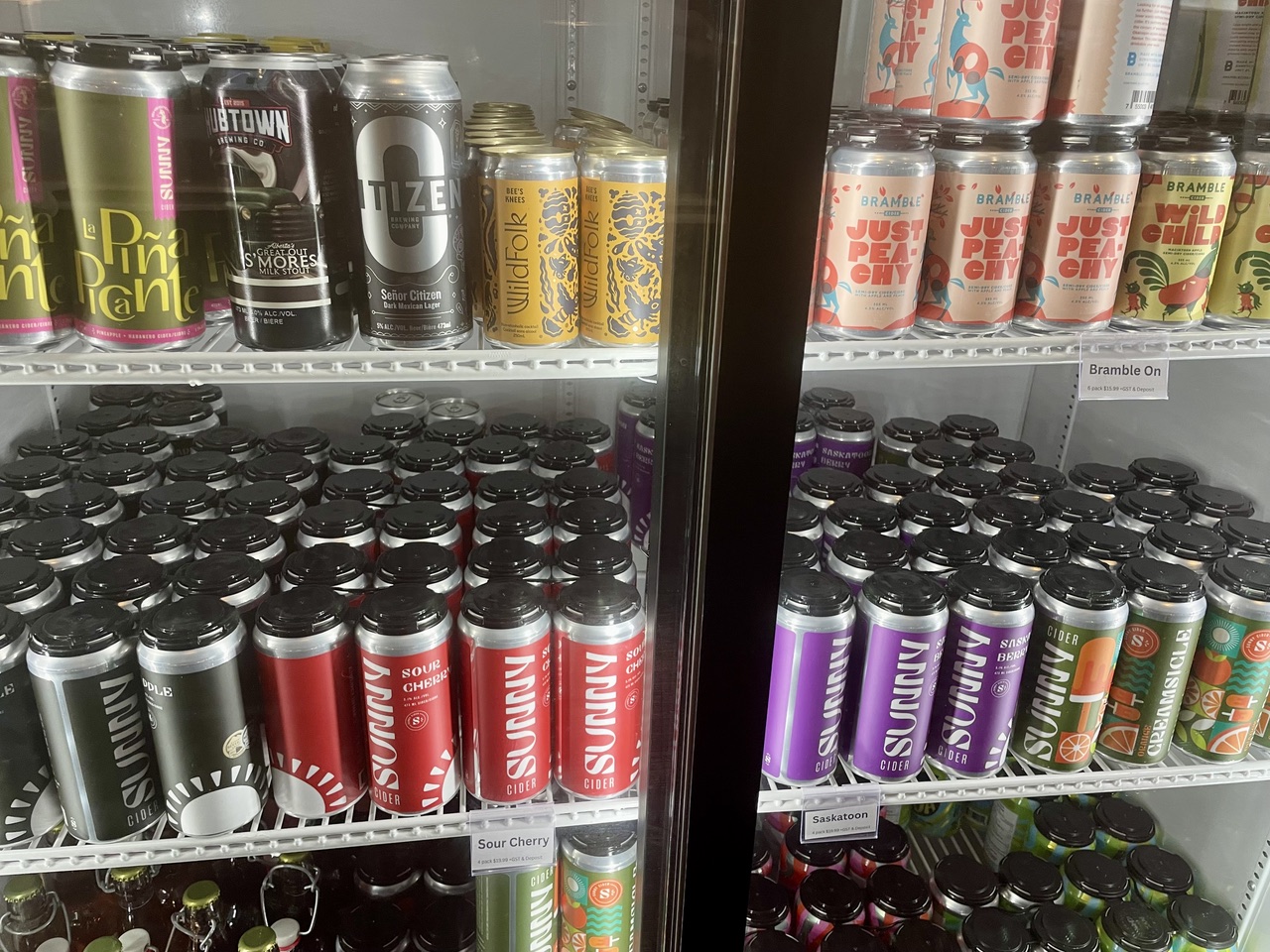
Today, Sunny makes a wide range of ciders—all with an apple base and often containing other fruits such as Saskatoons, sour cherries, raspberries and peaches. While most of the apples now come from Okanagan orchards, up to 20% still originate from Calgary neighbourhood yards.
You can purchase the canned ciders at liquor stores across Alberta; the typical alcohol content is 4.5%, though alcohol-free is also available. Better yet, visit its cozy taproom, in industrial northeast Calgary, where you can sample a flight of ciders or order a pint.
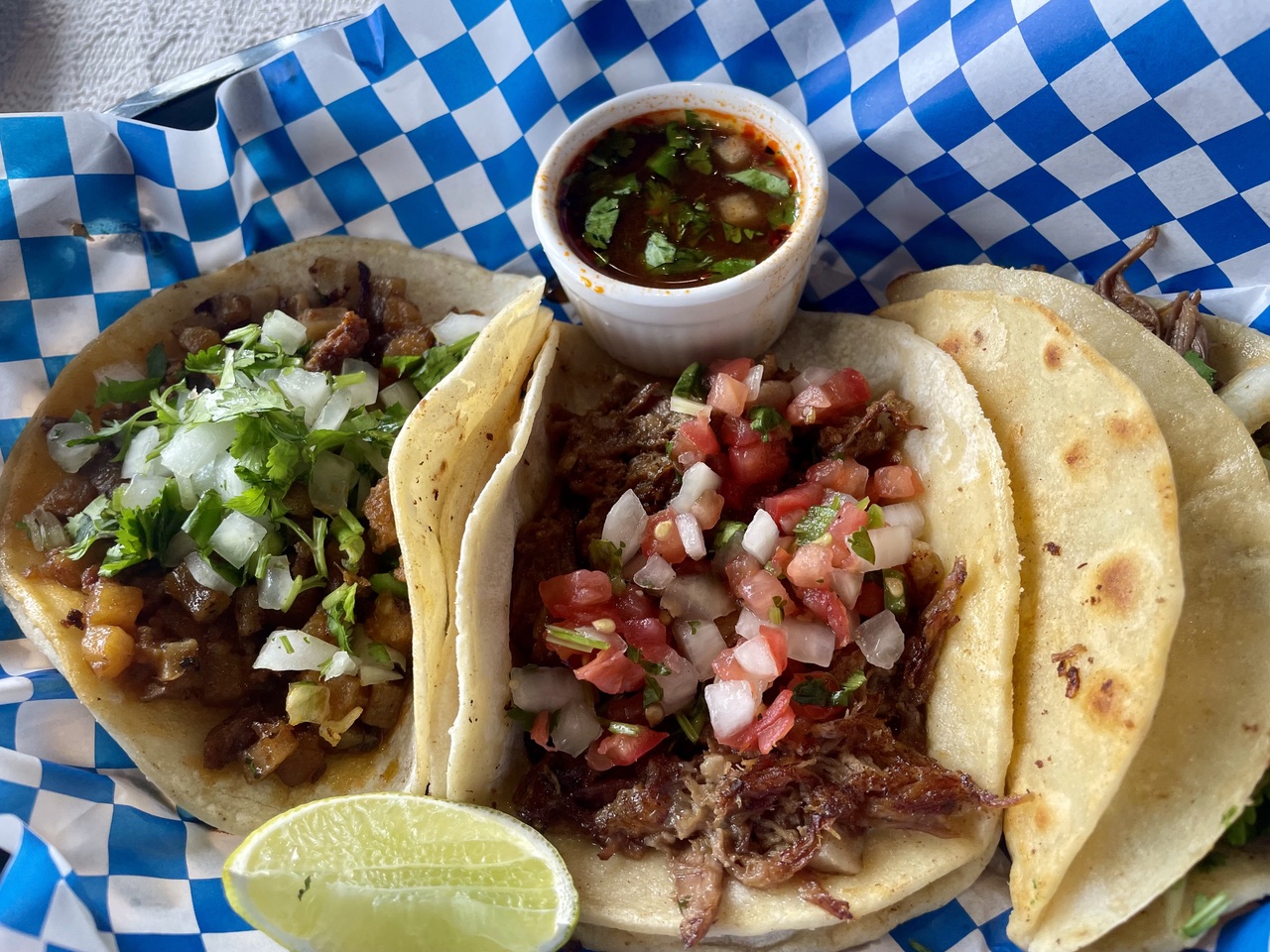
Great tacos on the menu
Be sure to check out the fine food offerings (under the name of Chile & Mango), which reflect the Mexican origins of its chef. In honour of taco Tuesday prices of $12, our group zeroed in on triplets of excellent tacos (birria, tinga, etcetera), all tucked into double-envelop corn tortillas and lightly grilled.
Lots of canned options to go
The place was hopping by the time we rolled out into the early evening, promising to rescue all future harvests. A cider toast to that.
Sunny Cider 1, 3300 14 Avenue NE, Calgary Tuesday to Saturday opens at 11 am. Closed Sunday and Monday 403-454-0638
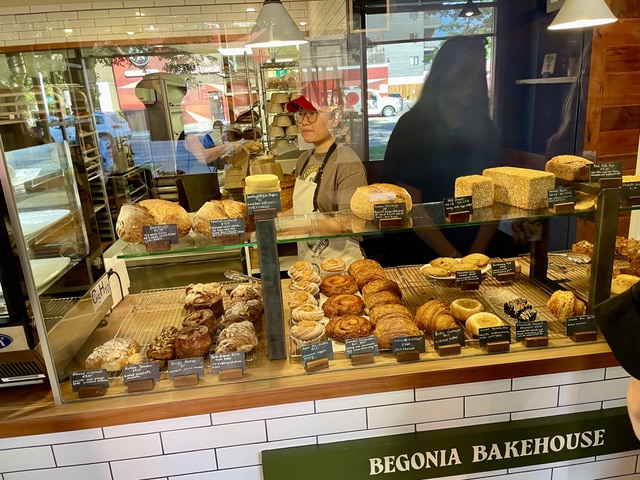
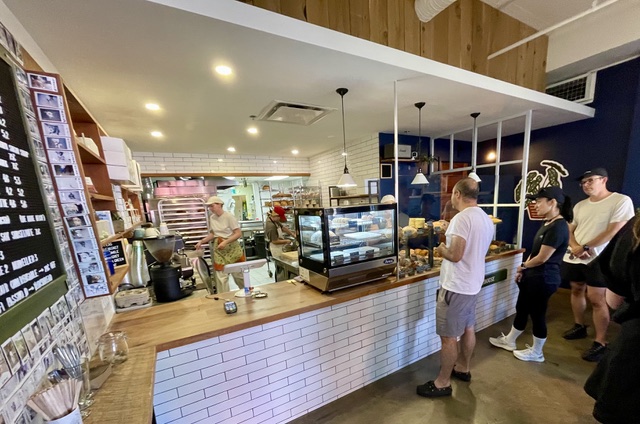
There might be a wee line at little Begonia Bakehouse, an artisanal bakery on the ground floor of a Beltline high-rise. But don’t despair.
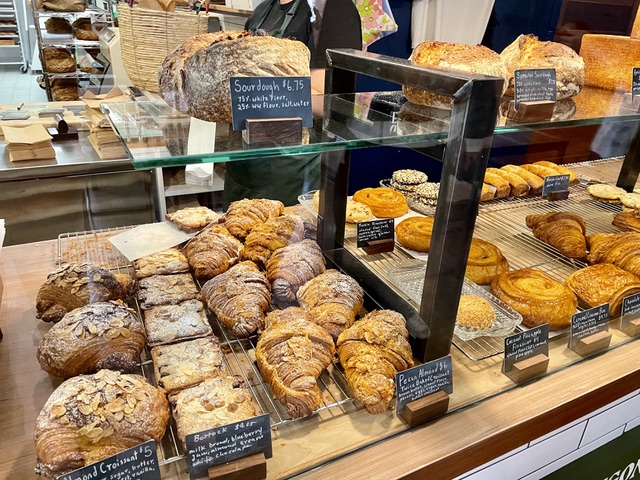
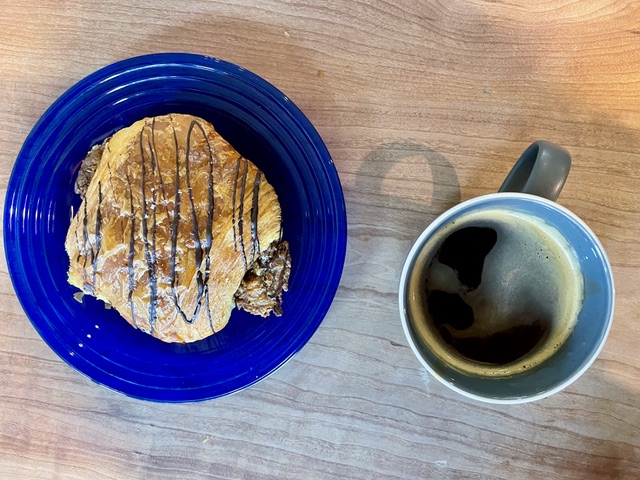
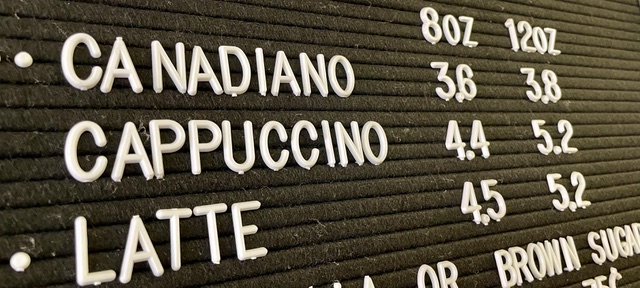
Most customers, it seems, are filling paper bags with fresh-baked bread and pastries and heading out the door. Which leaves you free to nab a coveted table and sip a “Canadiano” while devouring a flaky delicacy or two.
The regular croissants are excellent. But I usually migrate to something more decadent: a brioche-based pain Suisse, a sweet coconut pecan kouign-amann or a gloriously messy pain au chocolate. And don’t forget to pick up a loaf of chewy sprouted sourdough bread.
Tip: Get there early before things start selling out.
Begonia Bakehouse 1502 14 Street SW, Calgary Thursday to Saturday 8 am-3 pm, Sunday 8 am-2 pm. Closed Monday to Wednesday 587-355-7768
At most Indian restaurants, naan is a chewy side dish. But at the aptly named Naan Tale, in the southeast Calgary community of Ramsay, the soft, leavened flatbread takes centre stage.
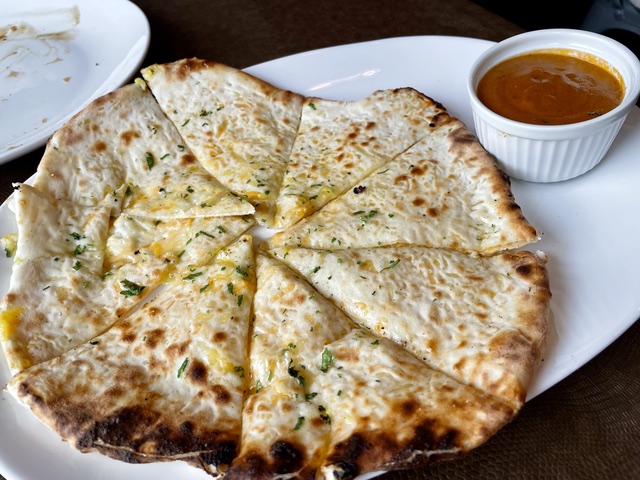
Sure, there are Indian standards like butter chicken, tandoori paneer and masala on the menu. But consider all the freshly baked naan choices. There’s butter naan, garlic naan, signature cheesy naan, tikka naan, whole wheat naan, naan rolls and even pizza naan.
Cheesy naan with butter chicken dipping sauce
You might want to order a naan or two—with lots of delicious butter chicken dipping sauce—and pair it with a crispy samosa and patta chaat, all washed down with some refreshing lassi.
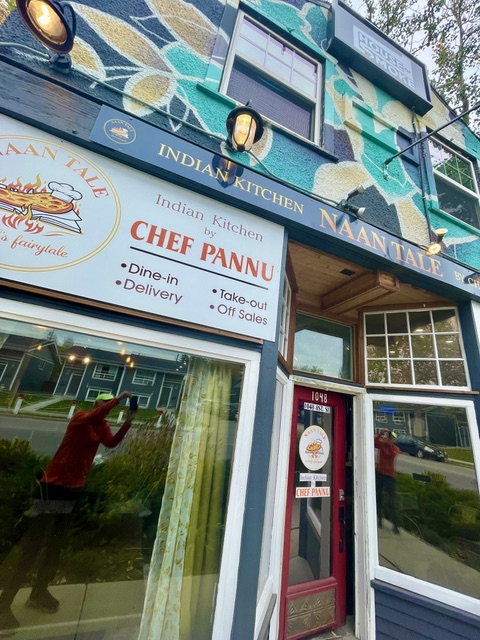
Naan Tale is in a colourful old Ramsay building
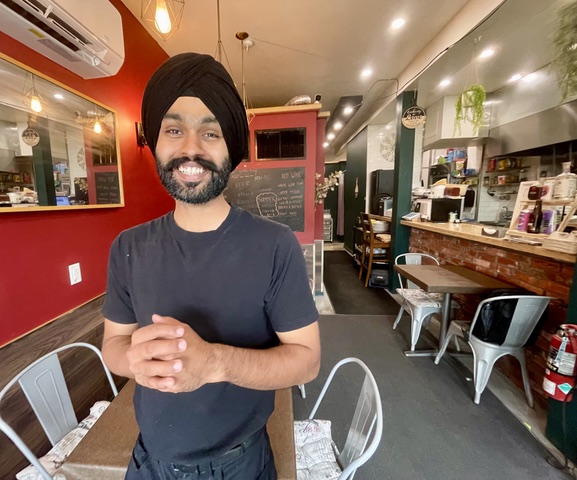
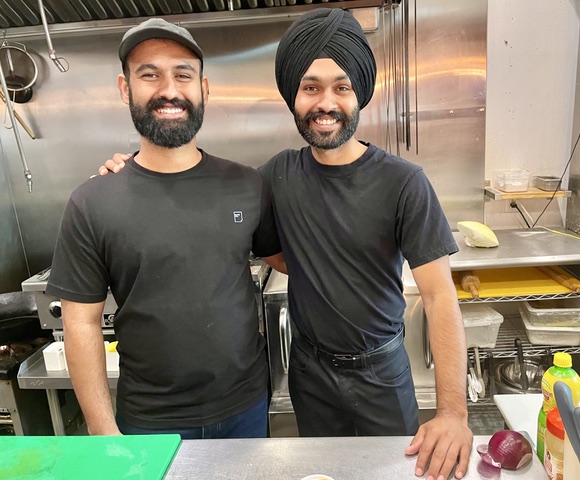
Chef Jaspreet Singh Pannu opened Naan Tale in a colourful old Ramsay building about a year ago, with considerable family involvement. During a midday lull, he and brother Jasdeep Singh, a most personable pair, spent an inordinate amount of time chatting with us.
Brother Jasdeep Singh lends a helping hand
Naan Tale 1048 8 Street SE, Calgary Opens daily at noon 587-997-5000
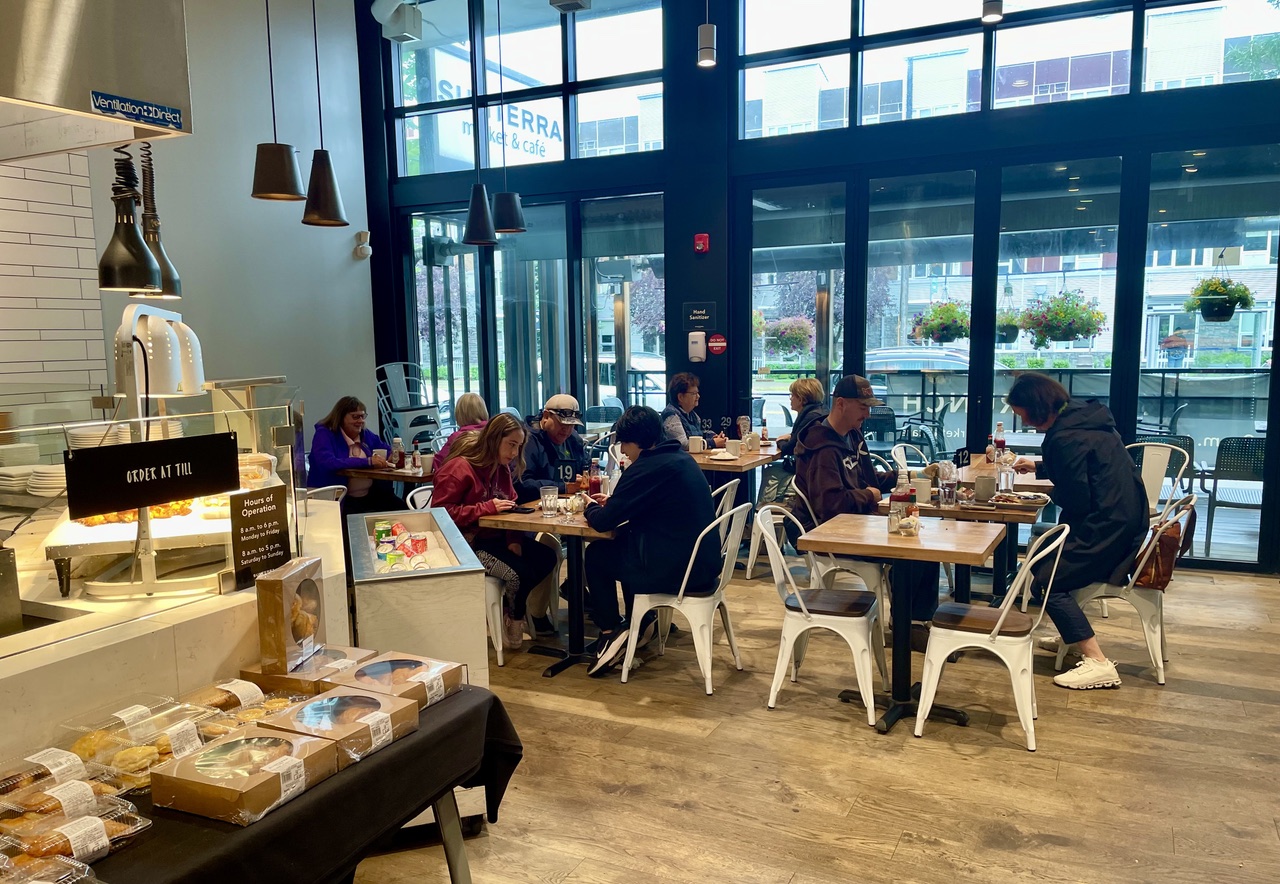
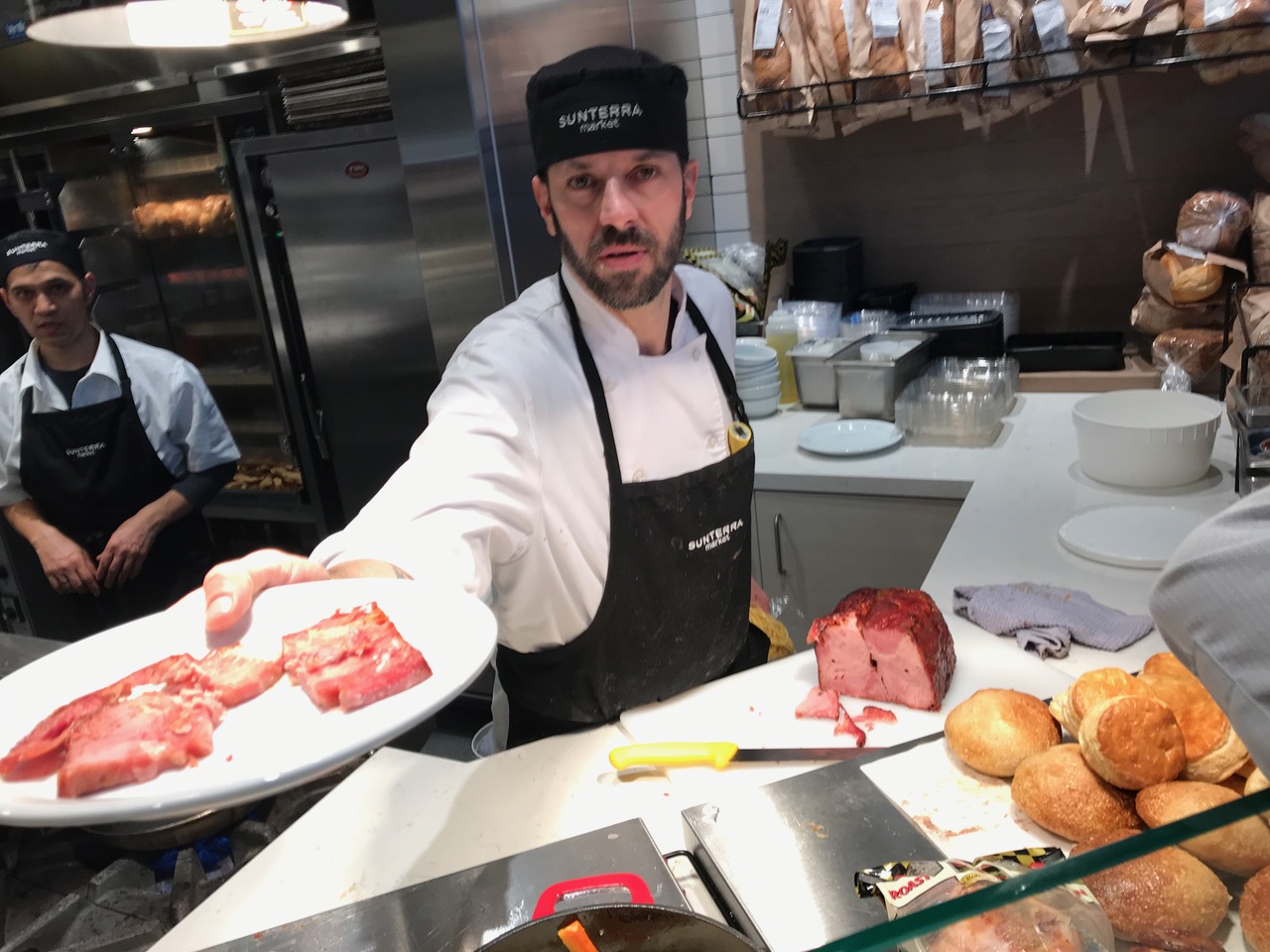
It’s the estimable Sunterra Market, a mini, financially challenged regional empire of select groceries and made-to-order, chef-produced meals. I usually drop by the Kensington Road location to order an excellent breakfast sandwich, eaten warm in the car.
Chef-produced breakfast sandwich best in Calgary
But when I recently met friends for a rainy-day coffee and pastry, I couldn’t help noticing all the tables of folks doing the same thing: hanging out with friends.
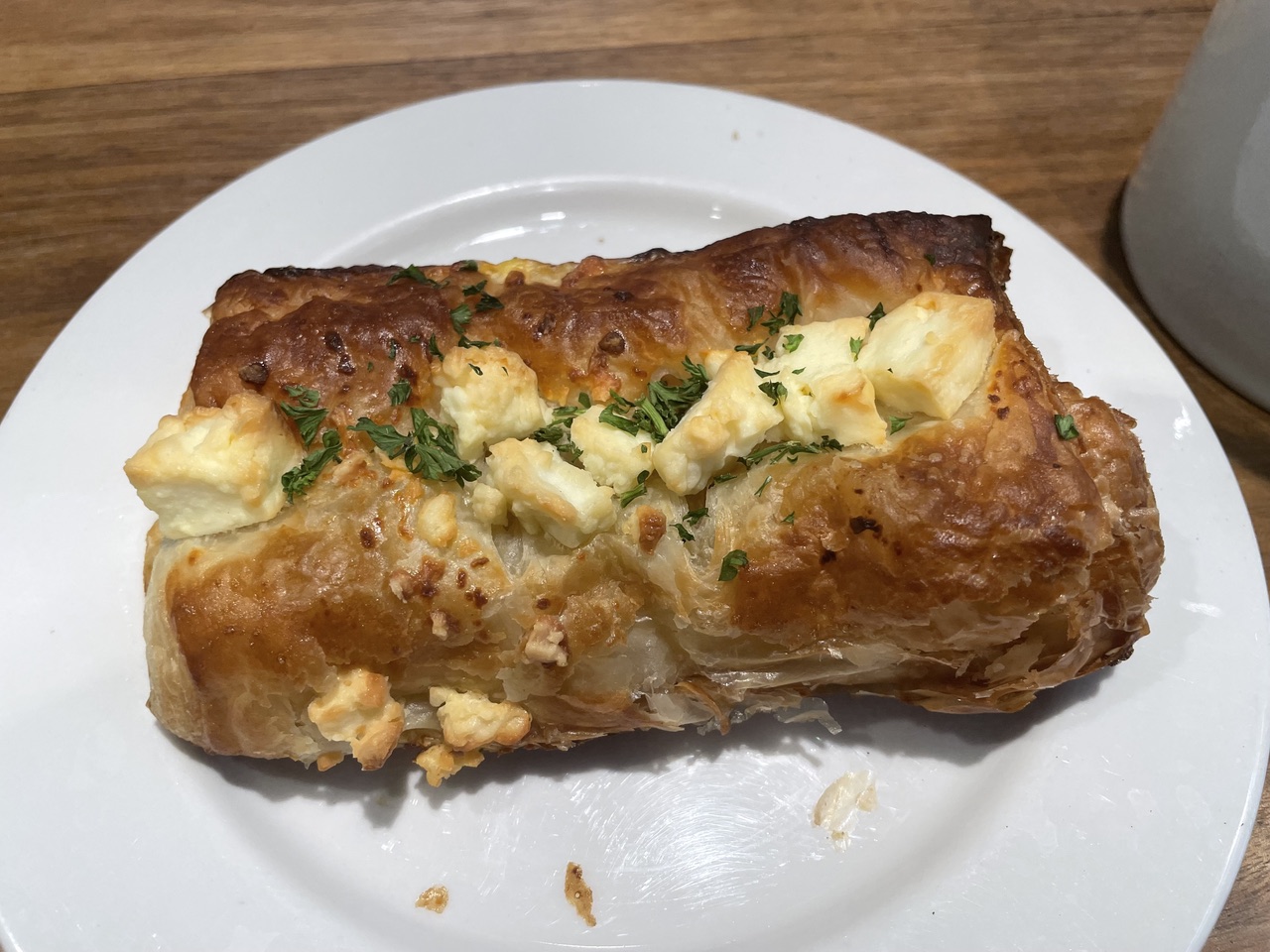
It doesn’t hurt that Sunterra boasts among the most reasonable prices in Calgary, a sharp contrast with the over-$20 breakfasts increasingly common in the city. For example, the afore-mentioned breakfast sandwich—featuring house-cured ham and a fresh biscuit—is only $7, a small meal in itself. A slightly smaller lamb sausage roll certainly hit the spot for $4.
A unique lamb sausagee roll
Want a full-fledged bacon and eggs brekky? Only $13.
Sunterra Market 2536 Kensington Road NW Opens daily at 8 am 403-685-1535
It’s fascinating to me how prices widely considered outrageous are, by the second or third time around, deemed almost normal. This applies to the current war-time gasoline price, which has been bouncing above $1.70 a litre, with little evidence of motorists curbing their mileage. Similarly, many folks no longer even blink at hotel room rates of $200 or $300.
Fabulous bennies at Sweatered Hen worth the $24 price
For Marathon Mouth, the tipping point has been the $20 breakfast. I fondly recall the overflowing bacon-and-eggs platters, which for about $8 (U.S.) kept me nourished till supper on long road trips south of the border.
Those days are long gone, (as are my American visits). Somewhere along the way, I went from “a bridge too far” to a shrugged “cost of doing business.”
Which perhaps explains why, in the space of a week, I three times indulged in Calgary breakfasts costing an average $23.50, plus coffee, plus tip. To be honest, I’d rather pay more for a quality meal than face a steady “shrinkification” of portion size and substitution of inferior ingredients.
My first breakfast was a fabulous benny bowl at The Sweatered Hen on the Beltline’s 17 Avenue SW. (click above for my review). The second was at ZCREW Cafe, an Asian fusion joint on the eastern edge of downtown Calgary.
ZCREW a hopping joint in Victoria Park
The latter’s eclectic breakfast menu ranges from overnight oats to brekkie wraps and bowls. But I was here for a spicy Korean twist on a fried chicken benny ($23). Lovely stuff, with nicely runny eggs, a cone of hot breakfast potatoes and a sensible amount of hollandaise.
Korean take on a chicken benny
My third stop was at long-time Bridgeland stalwart Blue Star Diner. It’s a personal go-to breakfast joint for three reasons.
Blue Star Diner one of the best breakfast hangouts in Calgary
First, it has a busy yet cozy neighbourhood vibe that’s unequalled in Calgary. You just want to hang out with friends here.
Second, the breadth and creativity of the breakfast menu. Fried chicken and pancakes anyone? Or breakfast poutine? My breakfast bowl came loaded with poached eggs, chorizo, cured bacon, house potatoes and a boatload of roasted veggies.
Third, you certainly get your money’s worth, even at over $20 for all the above dishes. And at $20, the monstrous breakfast burrito might be the best morning deal in the city, a true two mealer.
In sum, there’s a lot of great breakfast places in Calgary. Just don’t look too closely at the bill.