Mexican Madness in Tacoma, Washington

Fabulous red-chile pork tamales at Vuelva a la Vida in Tacoma, Washington

Fabulous red-chile pork tamales at Vuelva a la Vida in Tacoma, Washington

From a culinary perspective, Tacoma, Washington might conjure up the usual west-coast images of oysters, crab, salmon. But a mini-Mexican hotbed? Who’d have thunk it? Yet when you get east of the city centre, there are a few places that define Mexican authentic: streetfood, casual, inexpensive, friendly. My kind of joints.

Leading the way is Vuelve a la Vida, which translates as “come back to life.” Here, that means returning to Mexican roots, with no Americanized chips and salsa. My asada (steak) taco, served on a corn tortilla with whole beans, is very good. But the standout is the smoking hot tamales, the masa dough enveloping a rich filling of red chile pork. Seriously, you only need two of these bad boys for a filling, $5 lunch.

None of that Americanized chips and salsa at Vuelva a la Vida

None of that Americanized chips and salsa at Vuelva a la Vida

But my server, Juana, is not done with me, bringing over complimentary samples of Mexican drinks—horchata and jamaica—along with a little plate of shrimp ceviche. Any minute, I’m expecting to be introduced to the family.

Vuelve a la Vida
5310 Pacific Way, Tacoma
Weekdays 10:30 am-10 pm, weekends 10 am-10 pm
Vuelve a la Vida on Urbanspoon

About a mile away, Taqueria La Fondita is a food truck that pulls into a gravel parking lot every morning, with smoke soon belching from the tiny kitchen. A steady stream of neighbourhood youth saunters up to the window, ordering junior burritos to go.

The Taqueria La Fondita truck in a Tacoma parking lot

The Taqueria La Fondita truck in a Tacoma parking lot

I choose a more substantial torta, handing the included Sprite to a surprised kid. The bread isn’t as substantial as some tortas I’ve had, but the tender chicken filling melds nicely with slices of avocado to create a fine, gooey mess, kicked up a notch with some flavourful green chile sauce.

It's all gooey goodness in this chicken torts

It’s all gooey goodness in this chicken torta

Taqueria La Fondita
3737 South G Street, Tacoma
Daily 11 am-10 pm
La Fondita Taco Truck on Urbanspoon

Spring Road Food Photos

Pita place assembly line in Edmonton, Alberta

Pita place assembly line in Edmonton, Alberta

Some photos from recent road trips to Edmonton, Alberta and south to Utah

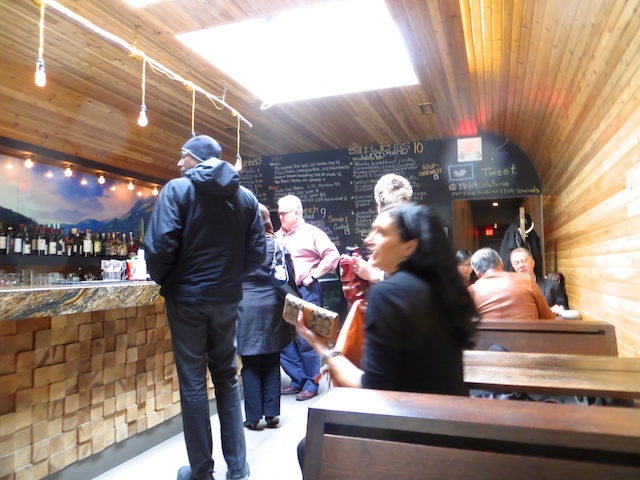
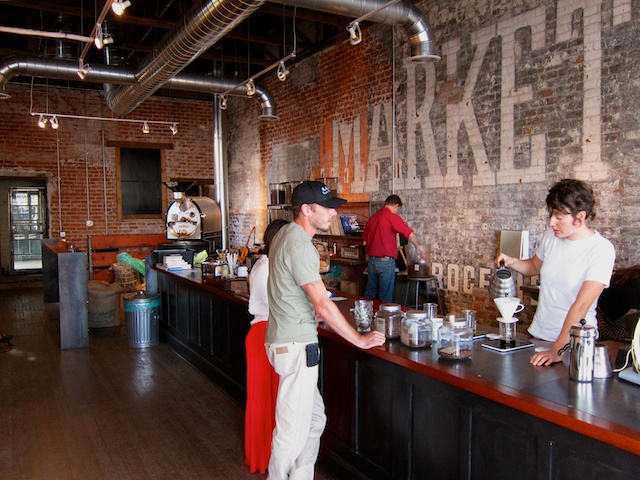
Getting ready to order in Edmonton's MRKT

Getting ready to order in Edmonton’s MRKT

St. Albert's elegant Glasshouse Bistro

St. Albert’s elegant Glasshouse Bistro

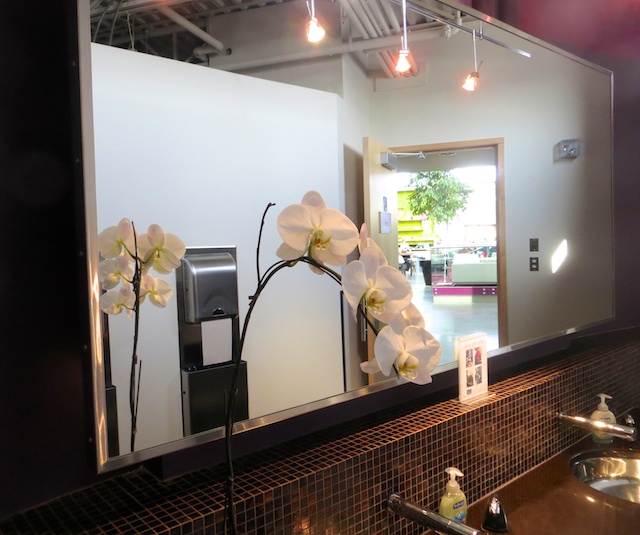
When you're attached to a greenhouse, it's no surprise to find live orchids in Glasshouse's bathroom

When you’re attached to a greenhouse, it’s no surprise to find live orchids in Glasshouse’s bathroom

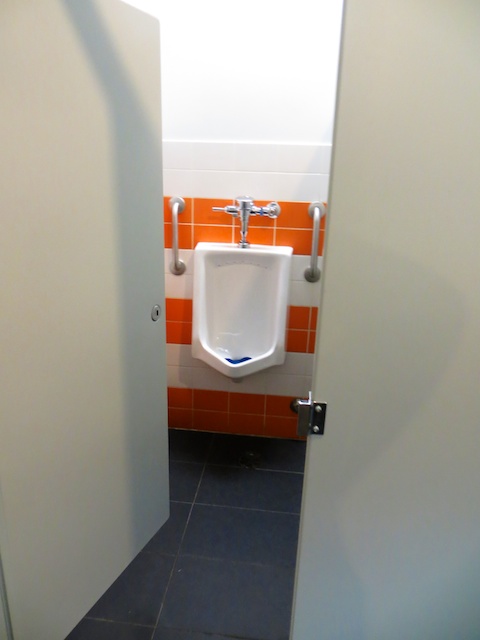
Want some privacy with that uriinal?

Want some privacy with that uriinal?

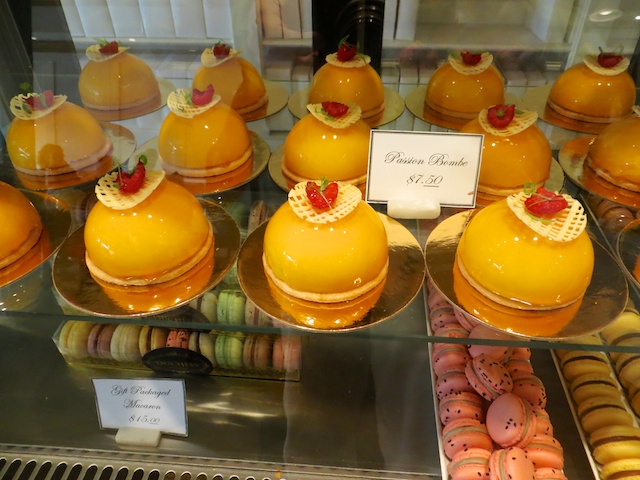
No one does decadence better than Edmonton's Duchess Bake Shop

No one does decadence better than Edmonton’s Duchess Bake Shop

Old-style drive-in lives on in Great Falls, Montana

Old-style drive-in lives on in Great Falls, Montana

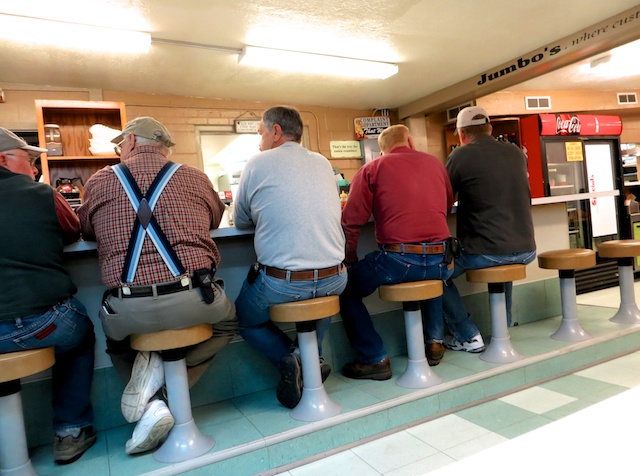
The locals hang out in southern Idaho

The locals hang out in southern Idaho

A fixer-upper in southeast Utah

A fixer-upper in southeast Utah

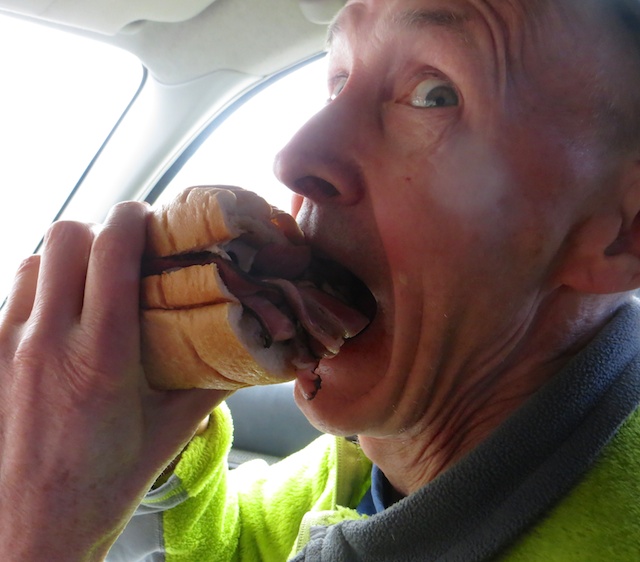
Face stuffing pastrami at Spero's House of BBQ in Malad City, Idaho

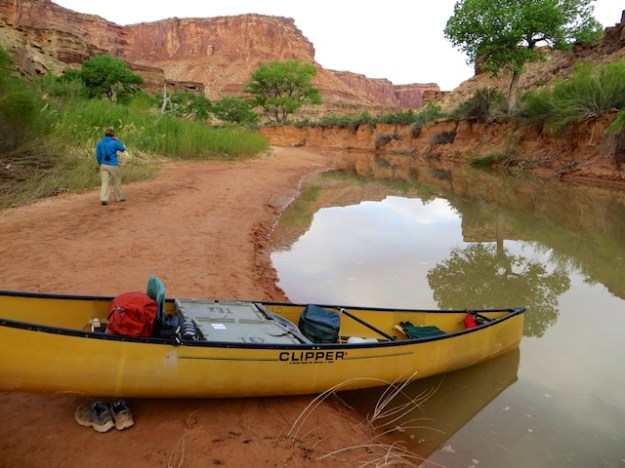
Paddling the Placid Green River in Southeast Utah

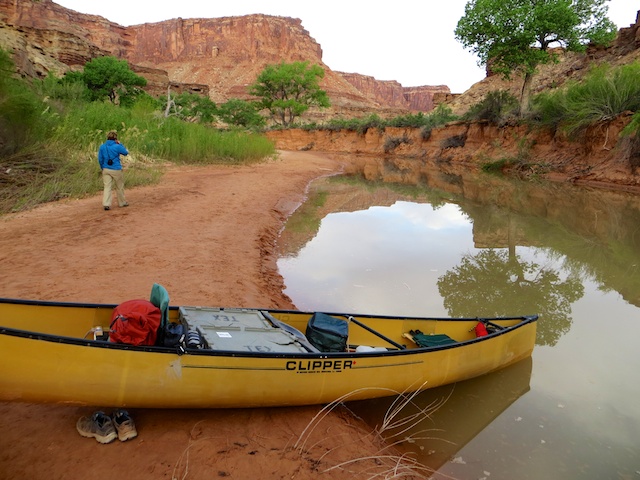
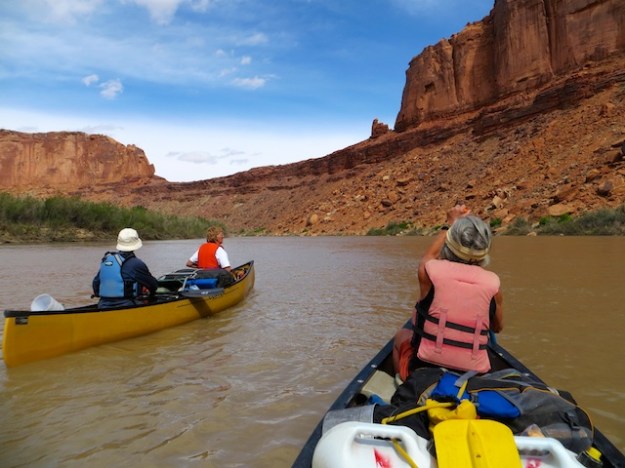
Great, leisurely paddling down Utah's Green River

Great, leisurely paddling down Utah’s Green River

The primary purpose of any road trip isn’t simply to eat. Unless, of course, it’s me. But if I’m not on an intense road-food research journey, I, too, have other priorities: hiking, backpacking, exploring new landscapes.

But canoeing? I hadn’t paddled down a river in two decades. So when a friend asked if I was interested in joining a canoe trip down the Green River, in southeast Utah, my only question was “How hard is it?”

A pretty easy float, requiring rudimentary paddling skills, was her reply. That’s all I needed to know, since I already love Utah’s desert country. Cruising down through high sandstone walls, with all the weight in a boat, rather than on my back, sounded like an ideal way to spend 10 spring days, with the added bonus of native petroglyphs and canyon hiking sidetrips along the way.

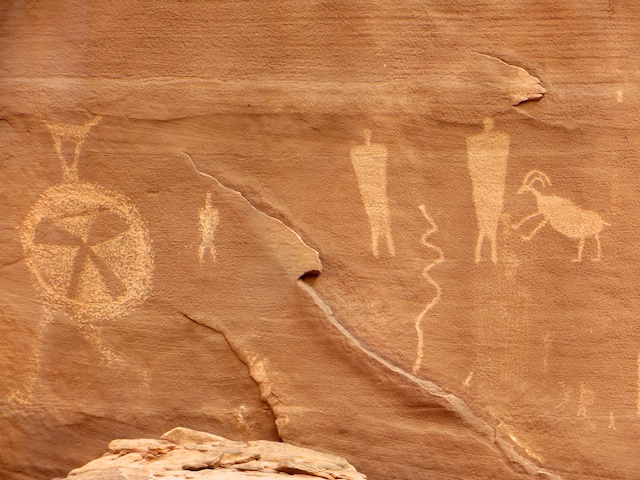
Plenty of ancient petroglyphs along the way
Plenty of ancient petroglyphs along the way

Morning hike from a backwater camp

Morning hike from a backwater camp

So how hard was it? Pretty mellow, with the bows-people doing as much gawking/picture taking as paddling. When both people were paddling, you could increase the natural current speed of about three miles per hour to five, so the miles slipped by pretty effortlessly. The only concerns were wind gusts that could potentially dump unprepared paddlers and the last wee bit where the Green joins the bigger Colorado River.

When’s the best time to go? We went in late April-early May, when the river flows are good (though not nearly as high as the June runoff peak. After that, you run into bug problems plus heat). In late spring, the river’s cold but the air temperatures are generally pleasant, though the nights at 4,000-plus feet can be cool, as can the days on the river if the wind is blowing and it’s cloudy. Did I mention the desert flowers are pretty spectacular in spring?
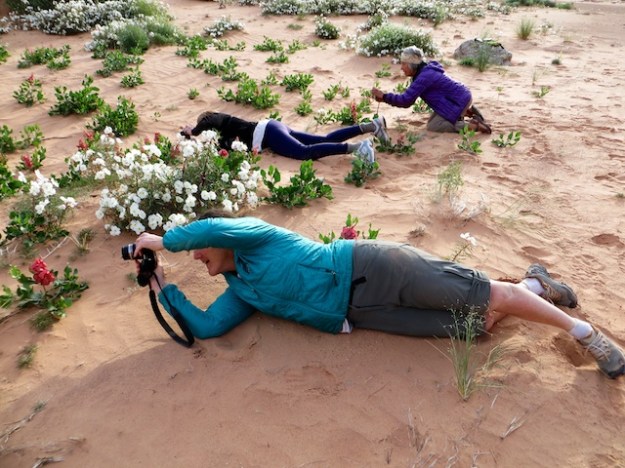
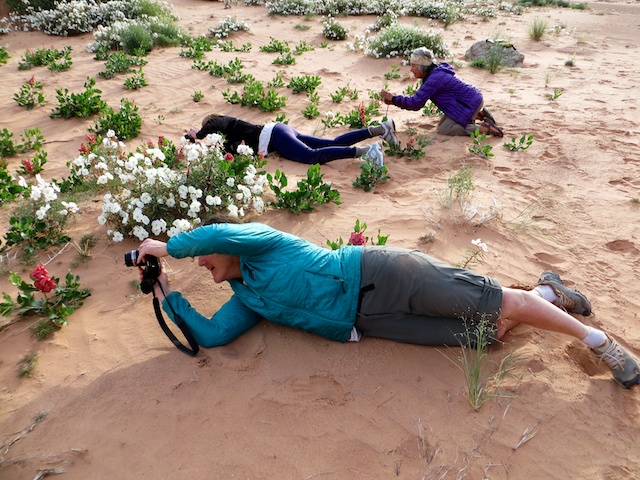
Blooming flowers always draw a photo crowd, sand be damned
Blooming flowers always draw a photo crowd, sand be damned

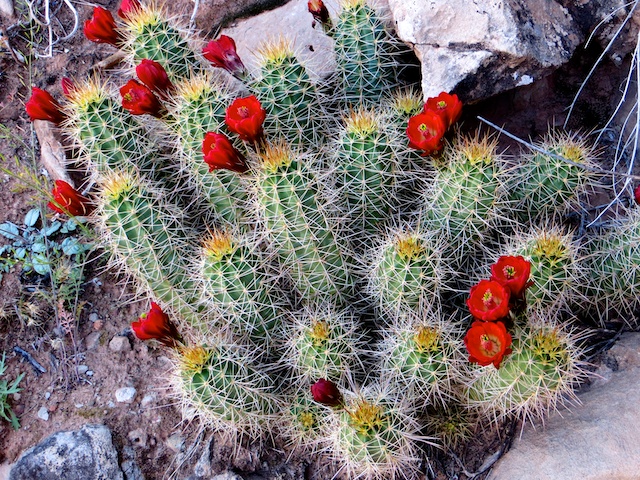
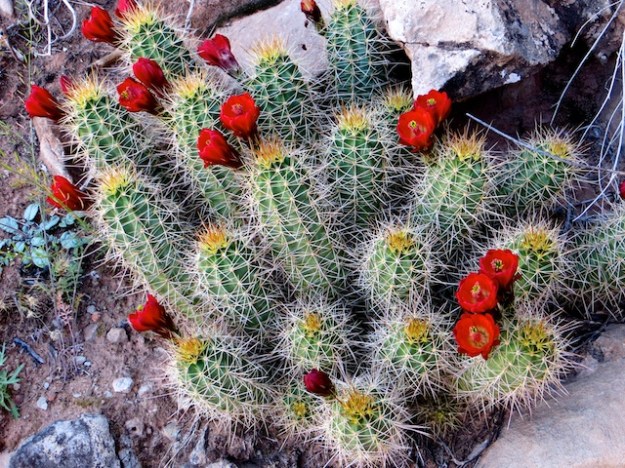
A desert miracle: the claret cup cactus in bloom

A desert miracle: the claret cup cactus in bloom

How’s the camping? Mostly lovely. There are lots of potential campsites. Just look for shady cottonwood trees, tracks up sandy banks, little backwater entrances or maybe some flat rock ledges overlooking the river. It’s first-come, first-serve, however. So an early start (when the light’s good) and an early afternoon stop are the best bet for claiming prime sites, though things get busier closer to the confluence with the Colorado as the canyon walls get higher and the hiking gets better.
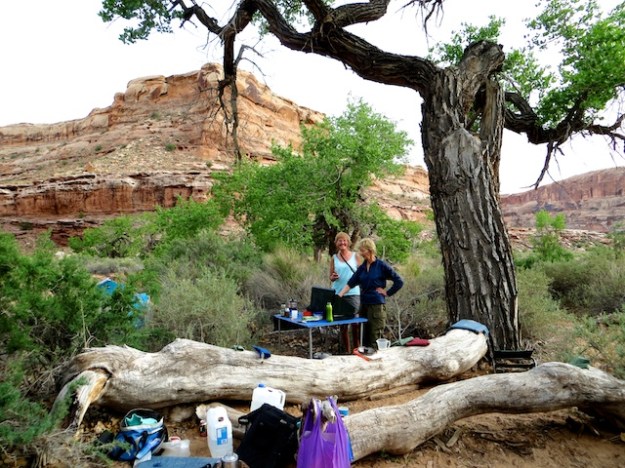
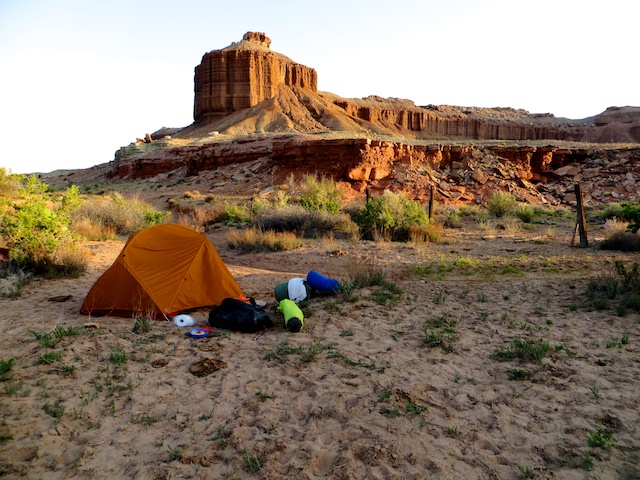
Pretty luxurious backcountry camping with a table and propane stove

Pretty luxurious backcountry camping with a table and propane stove

Two things worth mentioning here. You’d best not mind getting dirty, maybe even filthy. That’s because sandstone is made of, surprise, sand, which you’ll find at nearly every campsite. It tends to cling to clothing, seats, pretty much everything it touches. If the wind kicks up, you’ll find it seeping into your tent and maybe your mouth. Tip: Take your oldest/least expensive gear, stuff you don’t mind getting beat up. I had to replace a sand-scratched pair of sunglasses after the trip. Luckily, they were old and cheap.
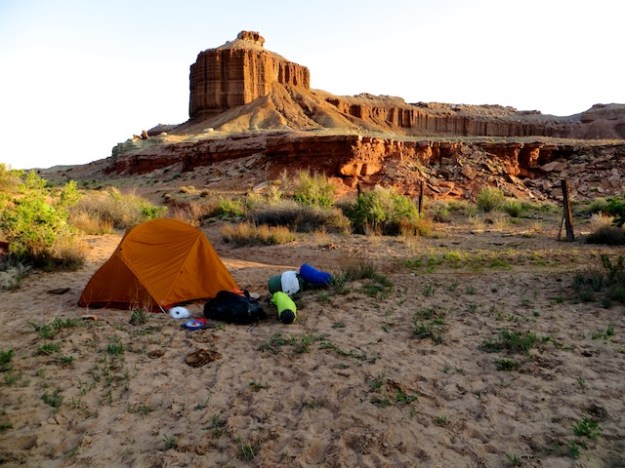
Hope you don't mind getting sand in everything

Hope you don’t mind getting sand in everything

Second, you may not have heard of tamarisk before dipping a paddle into the Green. But you’ll soon be intimately familiar with this invasive, thick shrub, which in typical fashion was once introduced to control bank erosion and is now being battled with beetles, with limited success. From a canoeing perspective, it means not being able to land or camp at many otherwise great spots.
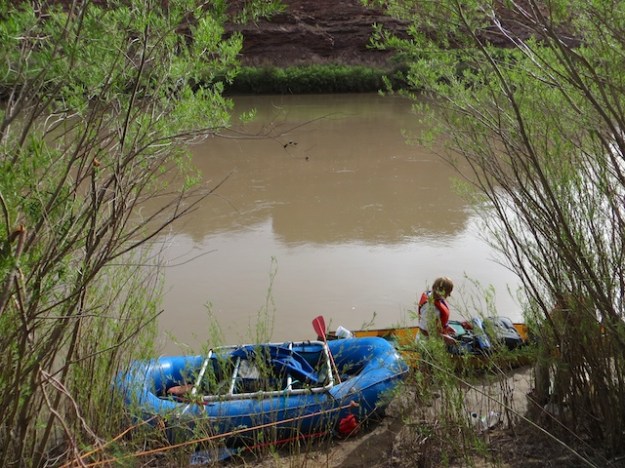
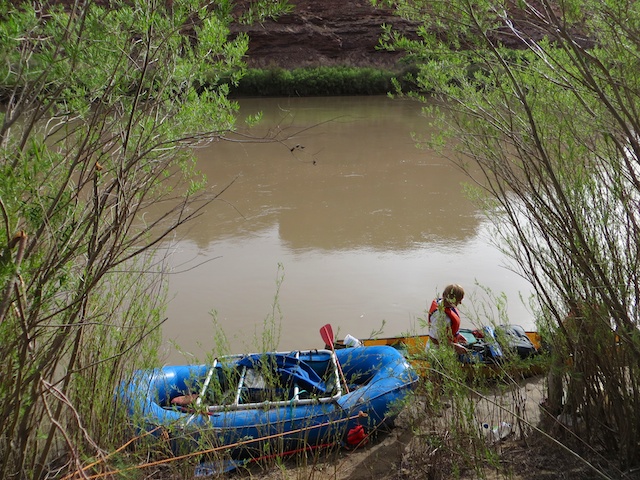
A break in the tamarisk to beach our boats

A break in the tamarisk to beach our boats

What’s a good stretch of the Green River to paddle? We put in at Crystal Geyser, just south of the town of Green River. In retrospect, we might have been better served to start at Mineral Bottom (a few days paddling downstream). The best scenery and hiking are downstream of here, in Canyonlands National Park, plus it gives you more time to spend an additional day or two at places that offer good hiking or just relaxing in superb settings.

Hiking high above the Green River

Hiking high above the Green River

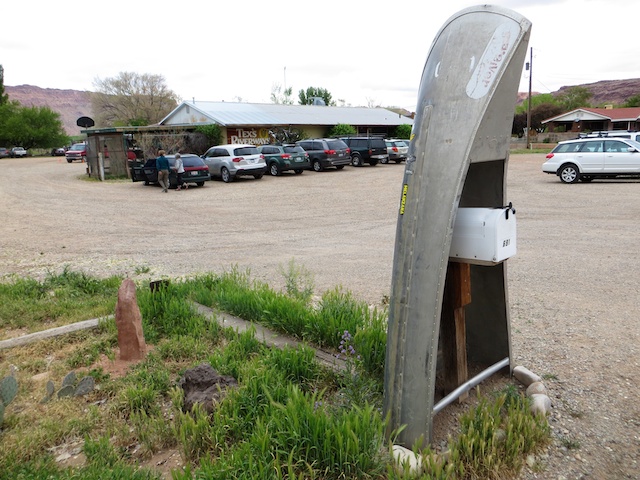
Can I bring all my own paddling paraphernalia? Yes, but I wouldn’t bother, especially if you have to transport your canoe/s a long distance. Just contact Tex’s Riverways in Moab. They’ll rent you canoes, life jackets, paddles, food boxes, water jugs and mandatory toilets, plus drop you off and transport you back, by jetboat up the Colorado River. It cost those of us who went this route about $350 for a 10-day trip. They run a tight ship and have lots of good advice about camping sites and where to find native rock art and hiking opportunities.
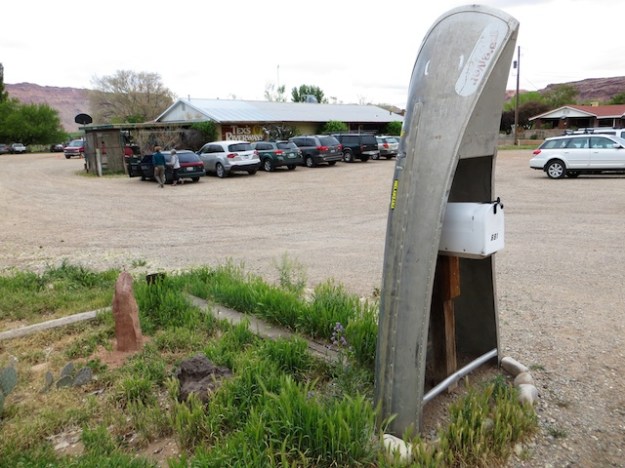
Tex's Riverways, in Moab, is a one-stop shop for everything you'll need to go down the Green River

Tex’s Riverways, in Moab, is a one-stop shop for everything you’ll need to go down the Green River
Mapping Road Trips

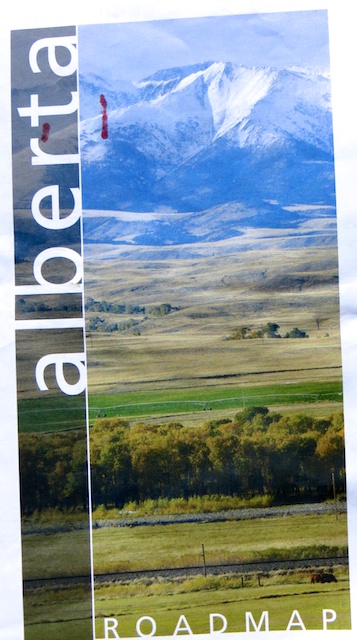
Alberta may produce the best road map of any western province or U.S. state

To my mind Alberta  produces the best road map of any western province or U.S. state

If it ain’t broke, don’t fix it. In Alberta, that tired aphorism certainly doesn’t apply to a health-care delivery system that seems to change course every few years. But it’s definitely true of a provincial road map that has been pretty much unchanged over the decades. Which is a good thing, because it works brilliantly well. Indeed, I think it’s the best, most-user friendly official highway map produced by any state or province in western North America.
I love highway maps. They are the backbone of any road trip, from the preliminary planning stages to figuring out how far you are from the next town and pulling over for a bathroom break or meal. GPS devices, with their monotone digital voices, are great inventions, especially for finding specific addresses in big cities. But I can’t ever see them replacing paper maps for open-road motoring.

When I’m driving, I like folding up the map into a small rectangle that just shows the immediate road ahead. Of course, this eventually leads to paper tears along the creases. Better paper would help, but I just replace the maps for free every couple of years from a tourism or AAA/CAA office. One drawback of the latter’s offerings is they tend to put two states on each map, one on each side. I much prefer the official state maps, with the big picture of all the highways for that state on one side and the detailed city maps and other information on the other.

Having traveled extensively through western North America, I’ve had the opportunity to use about a dozen of these state and provincial road maps and compare notes. There are many things that go into the making of a good highway map. But by far the most important is ease of use.

When you’re driving, you have maybe a couple of seconds to glance down at the map in your lap, usually without the aid of your reading glasses. So it’s vital to be able to easily read the map. You’d think this would be blatantly obvious to the mapmakers. But some places do a spectacularly bad job of it, particularly if you’ve got aging eyes that don’t read fine print well.

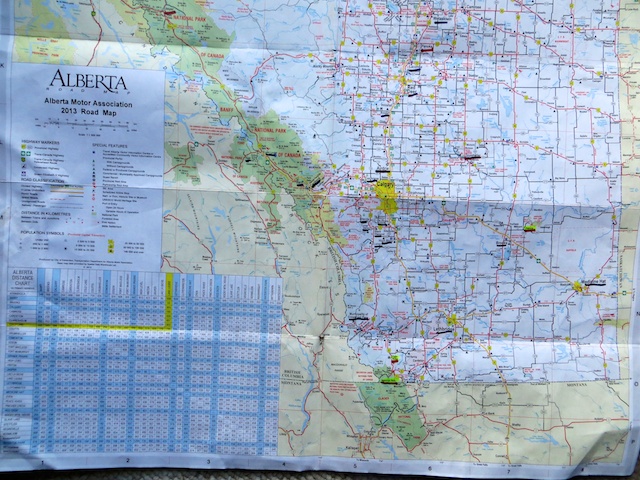
They can all take a lesson from Alberta. The one thing mapmakers there have done particularly well is use a very light-coloured background, ranging from white in the prairies to the palest of greens in the foothills and a slightly darker yellowish green in the mountains. They’ve also used a fairly dark black font for towns, which is nicely enlarged and bolded for cities. A red font is used for provincial and national parks. What this means is it’s relatively easy to quickly find what you’re looking for.

My heavily used and marked Alberta road map is easy to read

My heavily used and marked Alberta road map is easy to read

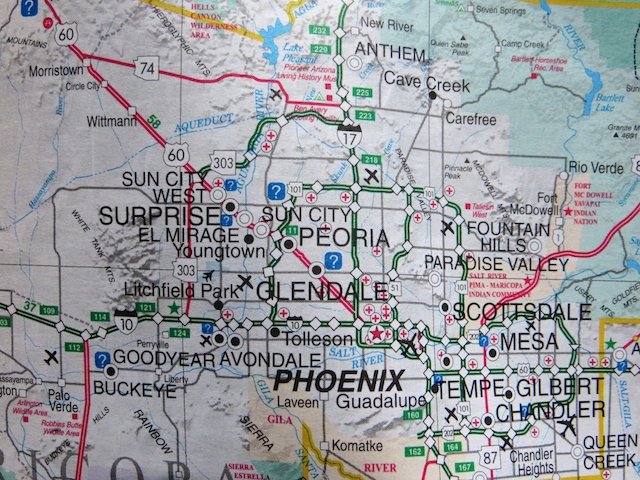
By contrast, Utah, for instance, uses maddeningly light fonts for towns, mountains, forests…. everything. In Arizona, the background colours are too dark and the metropolitan names a jumble of large, almost overlapping print. Colorado also uses too dark a shade of green for mountainous regions, though, like some other western states, it does a nice job of highlighting scenic routes with bold dots. Idaho and Wyoming do deserve props for using weather-proof paper and bold black for their place names.

This enlargement makes it more legible, but Utah's road map is hard to decipher

This enlargement makes it more legible, but Utah’s road map is hard to decipher

Good luck trying to navigate with this map around Phoenix's suburbs

Good luck trying to navigate with this map around Phoenix’s suburbs

There's a lot of dark colours in Colorado's road map, but at least it does a good job of highlighting scenic routes

There’s a lot of dark colours in Colorado’s road map, but at least it does a good job of highlighting scenic routes

A few other things I like about Alberta’s map. Like some U.S. states, it provides population numbers in the index for all cities and towns. And the back of the map is totally devoted to detailed maps of all provincial cities and major resort communities. Interesting tidbits like the communities’ area and elevation are included here.

The back of Alberta's road map shows detailed maps of every city and major resort community

The back of Alberta’s road map shows detailed maps of every city and major resort community

The map for the neighbouring province to the west, British Columbia, does an even better job than Alberta of highlighting the names of its major communities. But it commits the unpardonable sin of splitting the map, so the more heavily populated southern portion is on one side and the northern portion on the other. And there’s no detailed maps for the two largest cities: Vancouver and Victoria.

It's the third largest city in Canada. Don't you think Vancouver deserves a more detailed inset map than this?

It’s the third largest city in Canada. Don’t you think Vancouver deserves a more detailed inset map than this?

What’s in a Name? Some Peculiar Western Monikers

The original name of Hot Springs may have been more accurate, but you've got to admit the current name of this New Mexico city is more eye catching

The original name of Hot Springs may have been more accurate, but you’ve got to admit the current name of this New Mexico city is more eye catching

In his seminal travel book Blue Highways, author William Least Heat-Moon explored U.S. back roads, sometimes taking long detours just to visit a place with a compelling moniker. This led him to towns such as Nameless, Tennessee.

In the course of my road-food journeys through western North America, I’ve seen my share of creatively named towns, either in passing or when poring over highway maps. Hence this list of attention-grabbing names. Admittedly, a number of these places are unincorporated communities, a few no longer populated, but where’s the fun in pointing that out?

There’s no Nameless in the U.S. west, but there is a No Name in Colorado and a Nothing in Arizona, the latter concisely answering the question: “What’s there to do in your town?”

Also under the “let’s not attract tourists” category, it’s an epic battle between Arizona—boasting Why, Gripe and Goobertown—and Oregon countering with Boring, Idiotville, and Nimrod (apparently, the main town sign in the latter has been bolted down to keep it from being stolen). California vaults into third place with Bummerville, Hellhole Palms and Clapper Gap, while Idaho narrowly misses the podium with Slickpoo.

You might have better luck luring visitors with sexual innuendo. So argues Climax (Colorado) or, more perversely, Camel Hump (Wyoming). I dare not guess what Washington’s Humptulips stands for.

In California, the restless spirit of Deadman Crossing is countered by the fatalism of Dunmovin. Speaking of spirits, Idaho has Beer Bottle Crossing, while California features two places that likely don’t do much business: Condemned Bar and Mormon Bar. Chugwater (Wyoming) is apparently what happens when you run out of beer.

Stoner was obviously ready for Colorado’s new liberal marijuana laws. Weed (California) and Weed Heights (Nevada) are hoping their states follow suit.

Want the last name in any directory? California has that covered with Zzyzx, narrowly edging out Oregon’s Zig Zag; don’t vowels count for something?

How would you feel about visiting two Montana towns, Prison Farm or Square Butte? What about Blubber Bay or Spuzzum, both in British Columbia, or Alberta’s Hairy Hill? Don’t forget your Hygiene in Colorado or you won’t get to visit Santa Claus, in Arizona of all places.

Sometimes a seemingly strange name means something. Helper, Utah was named for the extra train engines needed to haul long lines of freight cars up steep grades nearby.

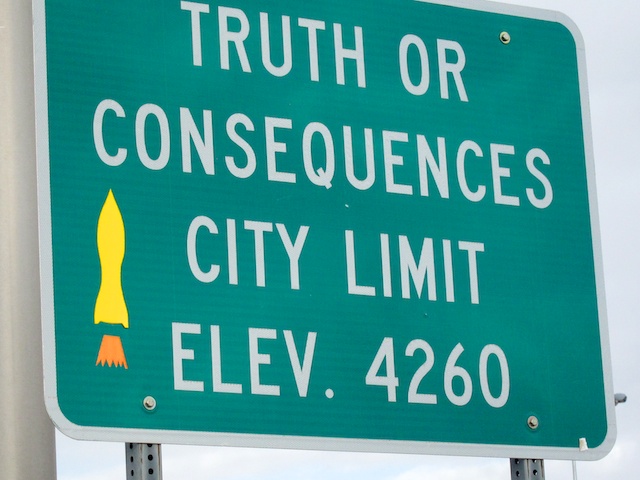
 A true story: New Mexico’s Hot Springs changed its name in the 1950s to that of a TV show, Truth or Consequences, looking for a town willing to do just that. In 1999, Internet startup Half.com gave the town of Halfway, Oregon $100,000 and some computers to change its name to that of the company for a year. But truth in advertising obviously failed Alberta’s Seven Persons, which actually has 230 residents.

Why not have some fun with your community name? In Saskatchewan, there’s long been a town entrance sign that reads, “New York may be big, but this is Biggar.”

Finally, this is a road-food blog, so it’s fitting to end things with a New Mexican place named for a 1920s’ bakery that made dried-apple pies. It’s called Pie Town. If you happen to be passing through, stop for a slab of real pie at Pie-O-Neer. Its motto: “If you bake it, they will come.” Amen.

Historic Downtowns: Where the Real Action Is

It may have been gussied up for tourists, but downtown Bisbee, Arizona retains the character of its mining past

It may have been gussied up for tourists, but downtown Bisbee, Arizona retains the character of its mining past

I recently read a New Yorker article on the demise of the traditional megamall, with their soulless concrete façades surrounded by a moat of parking somewhere in the suburban sea. It got me thinking about the entrances/freeway exits to most North American cities and towns.

Like a Las Vegas casino, they inexorably parade you past a gaudy, neon spectacle of gas stations, chain motels and the usual fast-food outlets. So familiar is this blueprint that without a map, you’d be hard pressed to tell where you are. It all looks the same.

The cookie-cutter gas/motel/fast food strip entrances to most North American towns and cities tell you nothing about the character of these places

The cookie-cutter gas/motel/fast-food strip entrances to most North American towns and cities tell you nothing about the character of these places

But from all my road-trip travels, I’m detecting a kickback. The glittering entrances may be where the traffic is, but the real action is someplace else—in the centre, in fact. And the key to finding it lies in the freeway signs, not the ones luring you to the chains but the ones saying “Historic Downtown.” (This obviously applies more to compact towns than sprawling cities, where interesting, independent places are harder for visitors to find).

Take that exit, drive for a few minutes and look for another indicator: a line of low downtown buildings, with little collections of cars and trucks parked out front. Not surprisingly, these businesses are often literally on Main Street. This is where these towns got started, where the remaining historical buildings are, where the true soul and character of these communities reside.

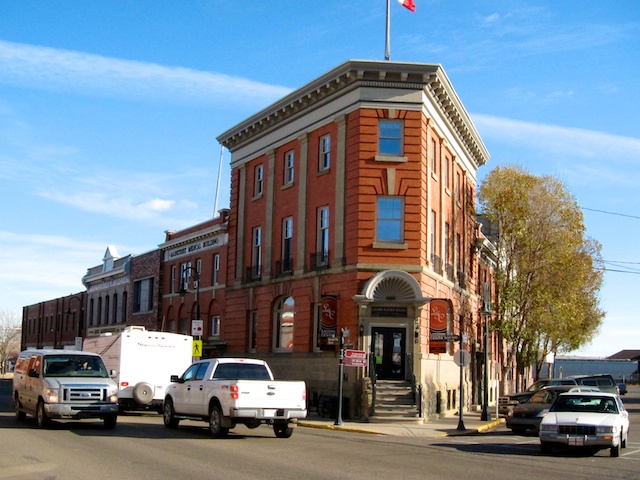
The historic downtown (the main street here in Lacombe, Alberta) is where the heart of these communities resides

The historic downtown (the main street here in Lacombe, Alberta) is where the heart of these communities resides

It’s where, as a road-trip diner, you’ll usually find two things. One is the local hangout, a diner or coffee shop where the regulars banter with the servers on a first-name basis and where the fare is basic but filling and affordable. The other is older buildings refurbished by, typically, youngish entrepreneurs interested in more modern cuisine but in a historic setting.

The character-filled Palm Cafe is where the regulars hang out in Orick, California

The character-filled Palm Cafe is where the regulars hang out in Orick, California

EXO Roast in Tucson, Arizona is a superb example of translating history into a funky cafe

EXO Roast in Tucson, Arizona is a superb example of incorporating history into a funky cafe

Finding these places involves a willingness to get off the bypassing highway and do a bit of exploring. There’s no guarantee you’ll hit pay dirt, but at worst you’ll get a drive past what defines, or once defined, these communities.

Recently, for example, three of us were driving on Highway 6 between Salt Lake City and Moab, in southeast Utah. It was a scenic road I’d taken half a dozen times without stopping. But this time, I glanced over at some old buildings in the small community of Helper and took the exit into the historic downtown.

Artists are leading the charge to revive historic Helper, Utah

Artists are leading the charge to revive historic Helper, Utah                                   Photo: Kairn Kunelius

While I was ordering a coffee at the nicely renovated and wonderfully named Happiness Within, a companion ducked into a potter’s studio and discovered that Helper had become a magnet for artists, who were helping refurbish a town named for the extra engines required to pull trains up nearby steep grades. I wandered across the street to the spacious, wood-floored Balance Rock Eatery & Pub. We’d already eaten, but I was impressed by a monstrous breakfast burrito being tackled by a local diner.
Balance Rock Eatery & Pub on Urbanspoon

A similar willingness to explore led me to one of my favourite western U.S. towns, Salida, in mountainous central Colorado. The approach on Highway 50 promised nothing but the usual commercial strip, but we persevered and drove into the heart of downtown. There, we discovered great galleries, an art park and, alongside the headwaters of the Arkansas River, painted containers of flowers and great little eateries like The Fritz.

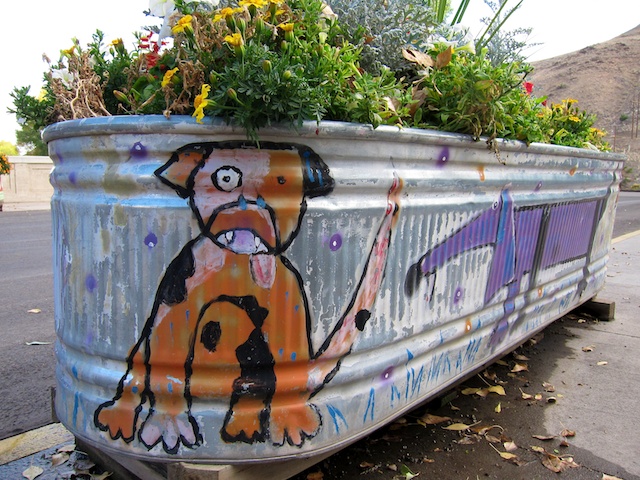
Even the public flower planters are funky in Salida, Colorado

Even the public flower planters are funky in Salida, Colorado

The lesson here is what is old is new again. Finding it will unlock you from your chains.